Brief Overview of the "SUMUT" Abbreviation: A Satirical Local Reality Check
————————————————————————
SUMUT officially stands for Sumatera Utara (North Sumatra), Indonesia's province encompassing Medan, Lake Toba, and a rich mix of ethnic communities including Batak, Malay, Chinese, and migrant groups from other islands.
Yet in everyday Indonesian slang—especially among locals, online communities, and those who've dealt with regional bureaucracies or services—SUMUT carries a sharply ironic second meaning:
Semua Urusan Memakai Uang Tunai
(English: All Matters Use Cash or Everything Requires Cash)
This phrase bluntly captures a widespread perception: many processes—whether administrative, service-related, bureaucratic, or even routine errands—only progress smoothly, on time, or at all when informal cash payments (tips, "facilitation fees," or euphemistically "uang rokok"/cigarette money) are handed over to the individuals involved. As the saying goes, "money talks louder."
The reinterpretation appears repeatedly in social media memes, Facebook posts, Instagram reels, Threads discussions, and local commentary dating back over a decade (e.g., references as early as 2015 labeling it a "longstanding stigma" or "old joke turned assumption"). Politicians and officials have even addressed it publicly, with some vowing to break the cycle (e.g., former Governor Edy Rahmayadi pushing for change, or statements rejecting the notion that Sumut equals endless cash dealings).
In the context of service experiences (such as those at large dealerships or institutions), this informal "principle" often feels validated: standard timelines slip, basic amenities vanish, or resolutions drag on—until additional funds appear to motivate faster action.
We can confidently say that most of the staff involved in that particular case were Javanese (Suku Jawa). Based on deeply rooted Javanese cultural norms—particularly the emphasis on rukun (social harmony), avoidance of direct confrontation, and indirect communication—it's quite taboo to openly speak out against or criticize fellow community members, especially in ways that could disrupt group cohesion or cause loss of face.
Accountability Without Borders:
This analysis extends far beyond critiquing specific cultural practices or individual employees. It's a principled call for accountability that transcends geography, organizational hierarchies, and cultural justifications. The focus isn't on singling out Javanese work culture—it's about confronting systemic failures that emerge whenever honest feedback meets institutional resistance.
Toyota Auto 2000 Medan Amplas operates under a global brand built on world-class service standards. When those standards collapse locally, responsibility extends throughout the entire organization—not just frontline staff. Similarly, major Indonesian institutions like BCA Bank face identical scrutiny when service delivery fails. These examples represent patterns, not isolated incidents.
My critique has never stopped at local dynamics. I've publicly challenged entire management structures—including original Japanese ownership and leadership—documenting what I experienced as significant service failures in an international context. Yet here I stand: vocal, persistent, and unsilenced.
The critical difference? Genuine leadership listened—and acted.
Authentic leadership doesn't hide behind cultural norms or deflect legitimate criticism. It acknowledges shortcomings, accepts responsibility, and commits to meaningful evolution. Organizations that demonstrate genuine willingness to improve—rather than suppress uncomfortable truths—prove that accountability knows no borders. Their responsiveness, not the initial failure, determines whether they deserve continued trust and loyalty.
The contrast here couldn't be starker. Where some organizations embrace feedback as fuel for improvement, others systematically resist it. Criticism is reflexively deflected. Quality doesn't merely stagnate—it actively deteriorates. Organizations that attempt to silence honest voices don't strengthen their foundations; they erode them from within. External pressure doesn't diminish determination—it sharpens focus and makes eventual transformation inevitable.
This cultural pattern—where superficial harmony consistently overrides constructive criticism, and collective cohesion comes at the cost of individual accountability—creates fertile ground for institutional stagnation. When paired with transactional mindsets like the SUMUT phenomenon (where informal payments bypass formal procedures), a self-perpetuating cycle of mediocrity takes root and spreads.
Genuine organizational progress demands more than impressive resources, polished marketing, or inspirational mission statements. It requires institutional courage—the willingness to confront uncomfortable realities directly, regardless of whose pride suffers or which informal power structures face disruption. Until authentic accountability consistently overrides cultural preferences for conflict-avoidance and superficial tranquility, the recurring patterns of disappointing service, broken commitments, and eroded public trust will persist—no matter how sophisticated the announcements or how glossy the campaigns.
"Organizations that reward silence and punish honesty don't build excellence—they engineer their own obsolescence."
Understanding the SUMUT Phenomenon
————————————————————————
At its core, the satirical SUMUT interpretation captures widespread frustration with bureaucratic inertia, red tape, and systemic inaction—unless "money talks louder" than formal procedures or established timelines. It suggests a cultural and institutional reliance on informal payments to accelerate processes that should function smoothly through official channels alone.
This alternative meaning surfaces consistently across multiple platforms:
- Social media: Satirical memes on Instagram, Facebook, and Threads documenting bureaucratic absurdities and service failures
- Public forums: Online discussions dissecting systemic inefficiencies and their root causes
- Media coverage: Articles spanning years (references dating to 2017 and earlier) chronicling this as an entrenched cultural phenomenon
- Daily encounters: Government offices, licensing centers, and service providers where informal "facilitation fees" remain disturbingly normalized
While the phrase often elicits knowing smiles, it underscores profound frustrations about efficiency, transparency, and integrity in service delivery—reflecting broader critiques of operational practices in contexts where accountability mechanisms have failed.
This isn't an absolute indictment. North Sumatra, like any region, includes many dedicated professionals committed to ethical service. However, the persistence and prevalence of this perception signals systemic challenges demanding serious attention. Public trust erodes when citizens feel compelled to offer informal payments simply to access services they're already entitled to receive. Basic service delivery shouldn't require unofficial supplementary fees.
The phrase endures because experience validates it: "Money talks louder." For many who reinterpret SUMUT this way, real-life encounters with unexplained delays, convenient "shortages," and mysterious extra charges—resolved only through informal facilitation—have reinforced the message repeatedly.
Whether encountered in public services, online e-commerce platforms, private transactions, or routine errands, this informal interpretation serves as a sharp, memorable commentary on how "business as usual" can deviate dramatically from standards of efficiency and fairness. It represents not merely regional frustration, but a broader indictment of systemic failures that persist wherever accountability mechanisms break down and informal solutions replace institutional integrity.
The Catalyst: A Small Workshop, A Big Problem
————————————————————————
This analysis was prompted by a seemingly minor incident at a small, home-based automotive workshop in Tanjung Morawa. Despite its misleading five-star online rating, what should have been a straightforward brake light replacement devolved into a nearly two-hour ordeal characterized by incompetence and inefficiency.
The mechanic's approach was alarming: rather than demonstrating expertise, he spent the majority of the time consulting YouTube tutorials, rearranging tools, engaging in unrelated conversations, and providing no clear timeline for completion. When asked for an estimate, he could not offer even a rough approximation of how much longer the repair would take.
The Aftermath: Shortly after leaving the workshop, the vehicle developed a critical brake malfunction, rendering it immobile. We were forced to stop in the middle of a toll road area, requiring an emergency tow truck service (costing less than IDR 150,000). The front right light replacement alone had cost IDR 50,000—a deceptively low price that now made perfect sense.
The Real Cost: Beyond the monetary loss, we faced compromised safety on a major highway, hours of wasted time, significant stress, and the realization that "affordable" often means "unqualified" in service markets lacking proper regulation or accountability.
The total cost extended far beyond the initial service fee: we lost money on the tow, wasted hours of time, compromised our safety, and faced significant additional inconvenience. A five-star rating should signify demonstrated competence and reliability, not on-the-job training conducted at the customer's expense and risk.
This incident exemplifies a broader problem: fake credibility signals. Online ratings, testimonials, and reviews can be easily manipulated, creating false confidence that puts customers at genuine risk. When verification systems fail, consumers bear the consequences of someone else's incompetence or dishonesty.
Consequently, we had no choice but to take the vehicle to the official Toyota Auto 2000 service center in Medan Amplas—expecting the professional standards befitting a global brand. However, as detailed in the following sections, even this supposedly premium service facility exhibited troubling gaps in operational excellence, revealing that service deficiencies transcend business size and brand prestige.
Visual Evidence:

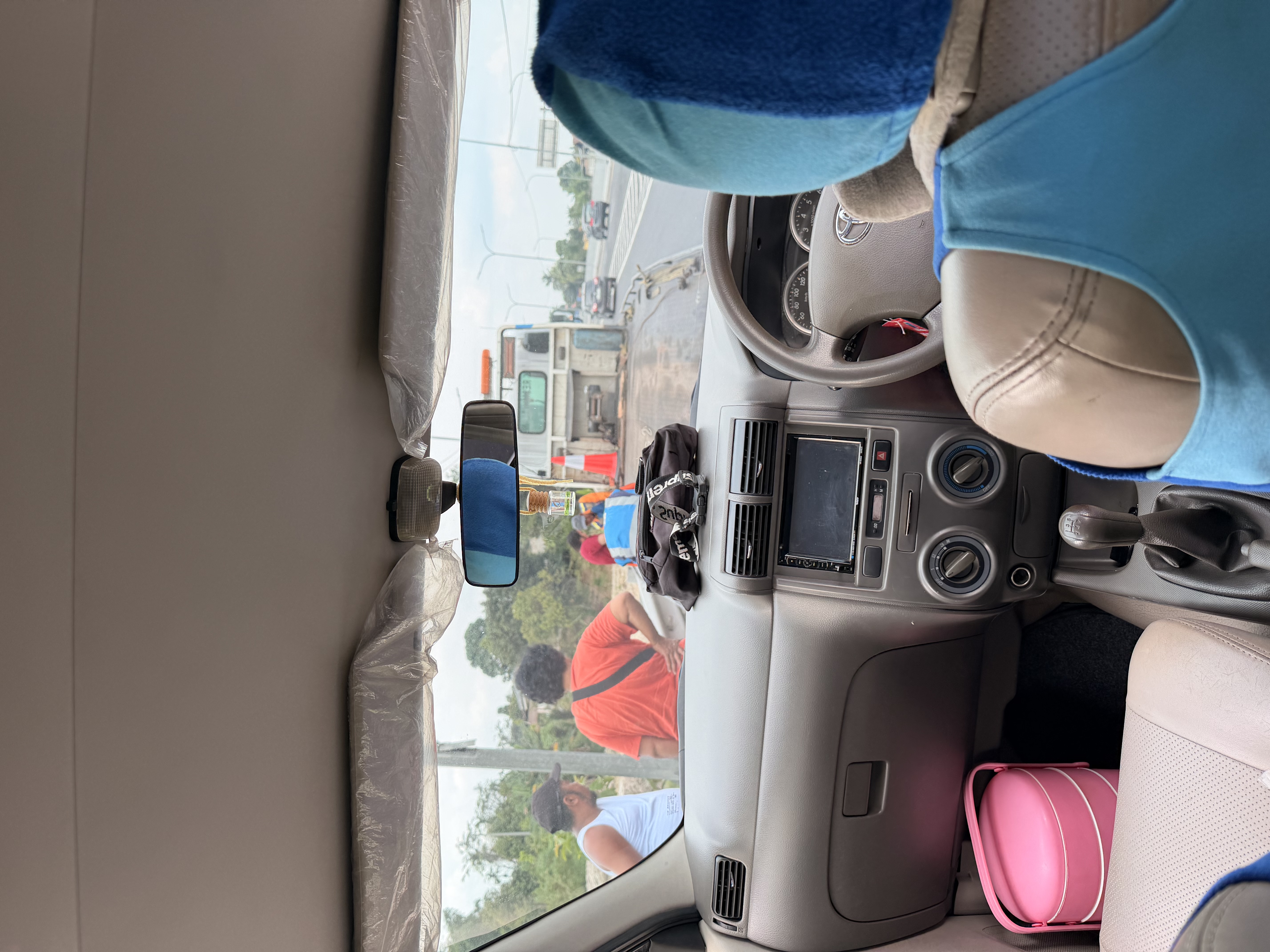
Auto2000 Visual Evidence:
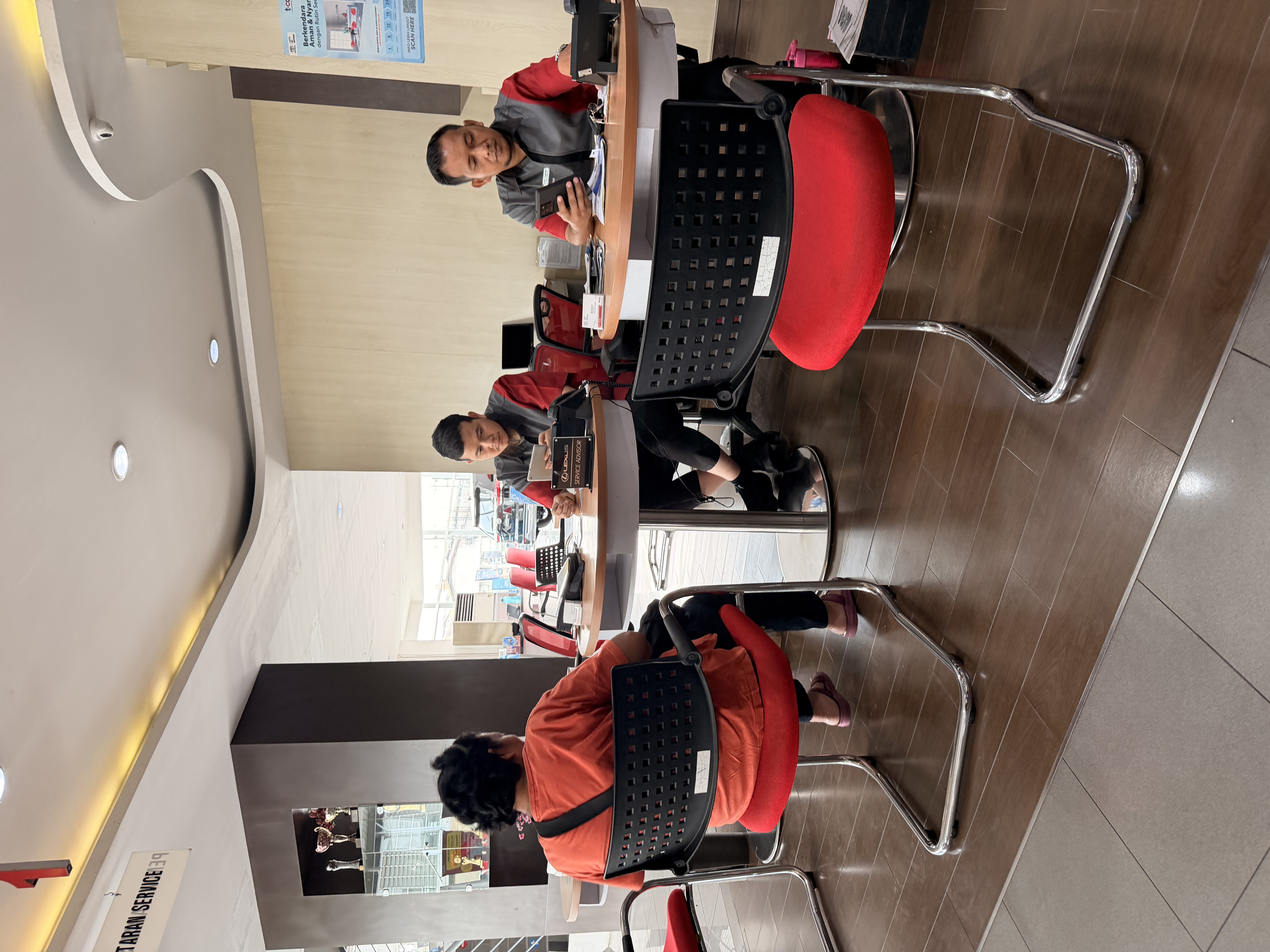
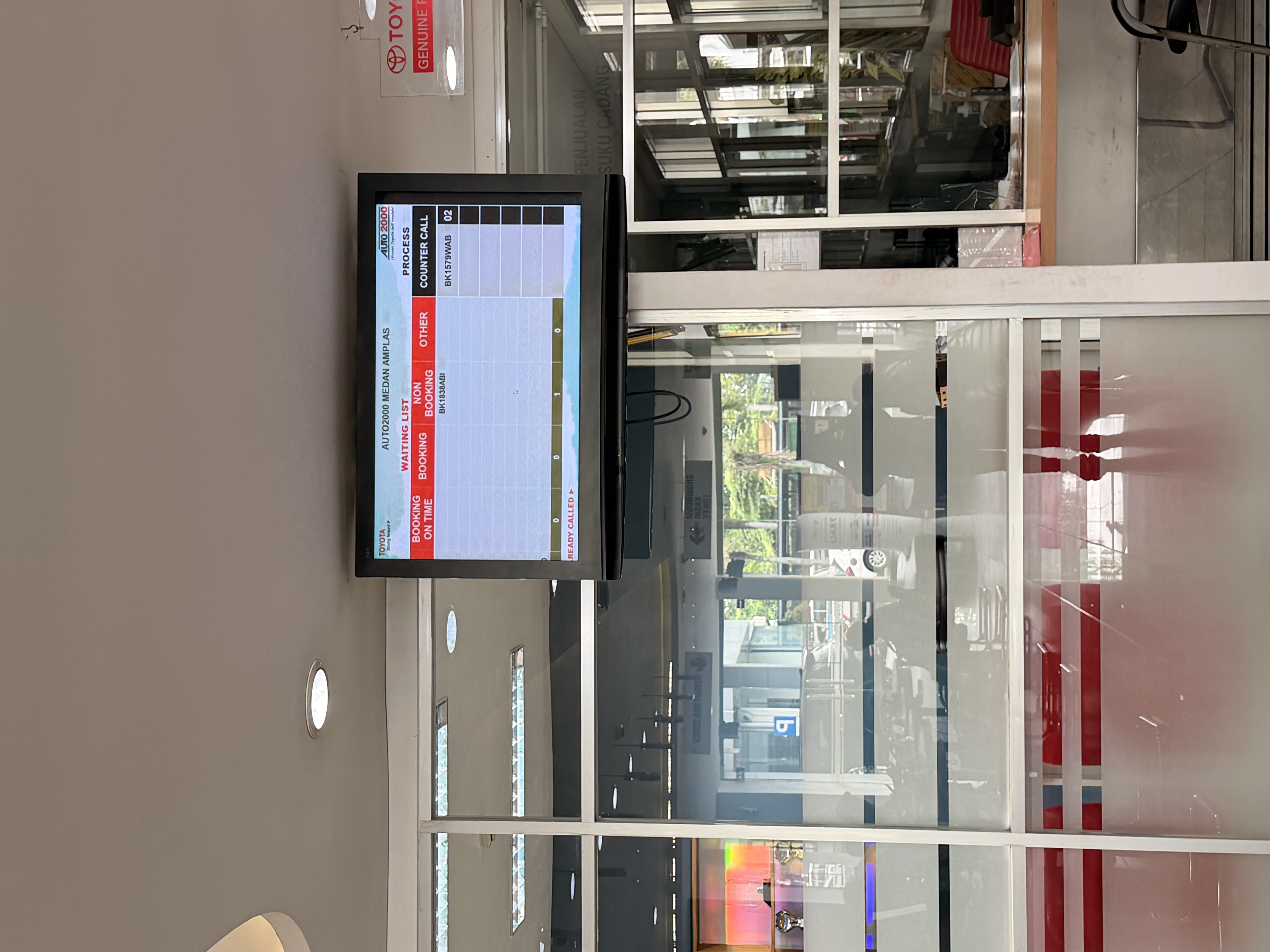


The Corporate Facade: When Scale Amplifies Mediocrity
————————————————————————
The polished facade of large corporations often conceals significant gaps in operational excellence and customer service. Despite substantial resources, advanced branding, and catchy slogans, many organizations—particularly in emerging markets—struggle to deliver consistent, meaningful value to customers, employees, and partners.
True efficiency and sustainable success demand carefully designed, tailored processes that address real business needs. Discussions in professional circles frequently pit manual against automated workflows. Manual processes, reliant on human effort for tasks like data entry, verification, and coordination, tend to be slower, more expensive, and error-prone. Automated systems, by contrast, use technology for scanning, sorting, validation, and execution, freeing resources for higher-value activities.
Yet workflows themselves are non-negotiable: they form the foundation of progress. When companies claim advancement while their day-to-day operations stagnate—or regress—the disconnect between image and reality becomes glaring. This phenomenon is particularly acute when organizations invest heavily in marketing and branding while neglecting the operational fundamentals that actually deliver value.
The Resource Paradox: Large corporations possess advantages small businesses can only dream of—capital, technology, talent pools, training budgets, and global best practices. Yet these resources frequently fail to translate into superior customer experiences. Why? Because scale without discipline creates complexity without corresponding value. Bureaucracy replaces agility. Internal politics supersede customer focus. And accountability diffuses across organizational layers until it effectively disappears.
In many developing economies, including Indonesia, large enterprises frequently prioritize short-term profits and internal convenience over ecosystem health. Hiring often favors expediency rather than competence, interpersonal skills, or long-term alignment. This approach manifests in weak internal systems, particularly in accounting, service delivery, and operational discipline. Public claims of innovation sometimes amount to mere adoption of existing technologies, repackaged with exaggerated pride.
The consequences ripple outward: customers receive substandard service, employees operate within dysfunctional systems that punish initiative, and partners navigate unpredictable processes. Meanwhile, marketing departments continue promoting excellence that exists primarily in PowerPoint presentations rather than daily operations.
Case Study: Toyota Auto 2000 - When Global Standards Meet Local Execution
————————————————————————
A prominent example is Toyota's local service network through Auto 2000 in Indonesia. Toyota, as a Japanese brand, carries global associations with precision, cleanliness, discipline, and reliability. The "Toyota Way"—emphasizing continuous improvement (kaizen), respect for people, and elimination of waste—represents benchmarks studied by business schools worldwide. These expectations are naturally high.
However, experiences at dealerships, including major branches in cities like Medan, North Sumatra, frequently fall short of these standards.
Consider a routine service visit for a vehicle purchased in 2011 from Auto 2000. Despite loyal, long-term customership spanning over a decade, basic amenities—such as complimentary refreshments—were unavailable, with staff citing shortages. More concerning, essential spare parts were also reportedly out of stock. For a brand synonymous with just-in-time efficiency and robust supply chains, such lapses raise serious questions about localized execution.
The Breakdown of Standards:
- No refreshments: A minor detail that signals broader neglect of customer experience
- Parts unavailability: Critical failure for a manufacturer known for supply chain excellence
- Unresolved maintenance issues: CCTV problems documented as early as January 22, 2026, indicating systematic operational neglect
- Additional charges for errors: Customers paying extra to compensate for internal mistakes or oversights
- Extended wait times: Services taking significantly longer than scheduled without explanation or accountability
These incidents highlight the difficulty of maintaining global standards across regions, especially in environments where basic service discipline faces challenges from local factors like internal politics, resource constraints, or cultural mismatches. Small oversights compound into patterns of negligence.
The irony is stark: customers who purchased vehicles specifically because of Toyota's reputation for reliability find themselves expending extra time and energy pleading for services already paid for. The brand promise and operational reality exist in separate universes. When even routine maintenance becomes an exercise in frustration, the value proposition collapses.
More troubling is the lack of apparent accountability. Issues persist across service visits without systematic resolution, suggesting that feedback either doesn't reach decision-makers or is actively ignored. This represents a fundamental failure of quality management systems that should be core to any Toyota operation.
Beyond Automotive: Patterns Across Industries
————————————————————————
This pattern extends beyond automotive. Similar inconsistencies appear across multiple sectors, revealing systemic rather than isolated problems.
Higher Education: University rankings often disconnect from actual educational outcomes, research impact, or graduate employability. Institutions invest in metrics that influence rankings while neglecting teaching quality, facilities maintenance, or student support services. The result: impressive statistics masking mediocre experiences.
Financial Services: Take Bank Central Asia (BCA), one of Indonesia's largest private banks, often ranked highly for customer service and accessibility in national brand surveys. Yet individual experiences—such as credit card application rejections based on opaque financial criteria—can feel at odds with the institution's self-image of excellence.
Comparative Experience: In contrast, international financial institutions (even those operating from jurisdictions with longer regulatory histories) delivered smoother, more reliable experiences. Digital payment systems worked consistently. Customer support responded promptly. Application processes followed clear, transparent criteria. Institutional backing felt genuine rather than performative.
These examples underscore a recurring theme: reputation does not automatically transfer across borders. Companies like Apple have notably avoided official presence in certain markets precisely to protect brand integrity from potential mismanagement by local partners or franchisees.
Even nations celebrated for work ethic and efficiency (Japan, China, South Korea) face challenges when expanding operations abroad, where "fast-paced" or "disciplined" often fails to translate into consistent international benchmarks. Cultural transfer requires more than procedural documentation—it demands genuine commitment to underlying values.
Academic and Publishing: Editorial interference in peer review processes—pressuring reviewers to revise impartial decisions or accommodate funding interests—undermines integrity. When local standards reject work accepted by global systems, questions arise about whose criteria truly matter and whether regional gatekeeping serves quality or politics.
The common thread across these sectors: institutions prioritize appearance over substance, relying on external validation (rankings, awards, certifications) while operational realities deteriorate. Customers, students, and clients bear the costs of this disconnect.
The Root Cause: A Question of Mentality
————————————————————————
The core challenge is not merely technical or resource-based. It lies in mentality: a resistance to accountability, preference for appearances over substance, and normalization of inefficiency.
Manifestations of Flawed Organizational Mentality:
- Deflection over ownership: Blaming external factors, customers, or "cultural differences" rather than addressing internal failures
- Process worship: Following procedures regardless of outcomes, valuing compliance over results
- Hierarchy protection: Shielding leadership from uncomfortable feedback, creating echo chambers of positivity
- Short-term thinking: Prioritizing immediate metrics (quarterly profits, daily targets) over sustainable quality
- Criticism aversion: Treating honest feedback as disloyalty rather than valuable intelligence
This mentality resists simple fixes through training, technology, or policy. When flawed thinking embeds across institutions, it becomes self-reinforcing. Employees who raise concerns face marginalization. Customers who complain encounter resistance. Partners who demand accountability get replaced by more compliant alternatives.
Large organizations bear particular responsibility. Poor service may be understandable from small operations with limited means—a solo mechanic learning on YouTube, while problematic, operates within obvious constraints. But when scale amplifies mediocrity—across private giants in automotive, banking, logistics, or education—the societal impact grows exponentially.
Public desensitization to incompetence follows, eroding expectations and perpetuating cycles of underperformance. When even premium brands deliver inconsistent experiences, consumers lower standards. When prestigious institutions tolerate mediocrity, the entire ecosystem suffers. Excellence becomes an exception rather than an expectation.
The Japanese principle of "do more and talk less" rings hollow when rhetoric outpaces action. Standards that falter globally are not true standards—they're localized adaptations that undermine brand integrity. As markets interconnect and information flows freely, inconsistencies accumulate visibility. Accountability may delay, but patterns of neglect eventually surface—with consequences for brands, employees, and customers alike.
"The greatest threat to organizational excellence isn't external competition—it's internal complacency masquerading as competence."
Conclusion: Excellence is Earned, Not Claimed
————————————————————————
In today's open, technology-driven ecosystem, participation does not equal mastery. Using advanced tools or claiming innovation requires genuine insight and critical awareness. Organizations cannot hide behind brand legacy, market position, or corporate rhetoric when operational realities contradict stated values.
Observation flows both ways: while systems monitor users through analytics, tracking, and surveillance, users observe back—through reviews, social media, comparative experiences, and ultimately, purchasing decisions. Transparency has become unavoidable. Mediocrity has become indefensible.
I've often witnessed customers begging for services they've already paid for, pleading for basic competence from providers who should know better. This dynamic reflects deeper systemic issues: when organizations prioritize image over substance, they erode trust and degrade overall quality. Think about it—they paid you for a service, yet you have to beg and plead to get what you already own. This inversion of the service relationship signals fundamental institutional dysfunction.
Consistency is indeed king, but only when backed by genuine capability and integrity. Consistent mediocrity is worse than occasional excellence—it signals acceptance of low standards, institutional complacency, and disrespect for customers who deserve better.
The Leadership Test: If the highest position in an organization cannot enforce basic standards, what hope is there for lower levels? When leadership tolerates mediocrity, it signals acceptance throughout the hierarchy. True excellence requires unwavering commitment from the top down. This sounds like classic corporate jargon, but the uncomfortable truth remains: without leadership accountability, no amount of employee training, process documentation, or customer feedback will drive lasting improvement.
Organizations face a choice: confront reality and evolve, or maintain comfortable fictions while markets and customers move elsewhere. The former requires courage, humility, and sustained effort. The latter offers short-term convenience at the cost of long-term viability.
The Path Forward: Meaningful change demands confronting mentality head-on. Superficial reforms will not suffice—new policies, rebranding exercises, or motivational campaigns cannot overcome cultures that fundamentally resist accountability. Until accountability, substance, and consistent execution become cultural norms—rather than exceptions—disappointing gaps between promise and performance will persist.
Excellence is earned through actions, not slogans. It's measured by customer experiences, not marketing claims. And it's sustained through institutional courage to prioritize long-term quality over short-term convenience. Anything less is simply well-packaged mediocrity.
"In the age of transparency, the distance between what you claim and what you deliver defines not just your reputation—but your survival."