Sometimes, I think the words “friend,” “family,” and “community” packed up and escaped me—probably out of self-respect. Around here, those words are decorative: embroidered on banners, repeated in sermons, weaponized in conversation, and quietly abandoned in practice. I’ve tried to resurrect them, redefine them, make them usable again. They keep deleting themselves from my vocabulary like outdated software refusing to run in a corrupted system.
Yesterday, I decided to re-run my personal experiment in social decay. A simple test—to see whether anything had changed. Whether people had learned. They hadn’t. If anything, the rot had become more efficient.
When I had just moved, my mother—the woman I have defended through hurricanes of contradiction—said to a female customer who bought an umbrella, “asa tor sombuh.” In Indonesian, it means “so someone can get better,” something you say when someone is sick. I don’t know who she was referring to. Maybe no one. But the words landed on me anyway, sharp and humiliating. In this place, blessings are rarely innocent. Every smile hides judgment. Every kind phrase carries a second blade. Passive aggression wrapped in religious language—that’s the local dialect.

Church life mirrors this perfectly. It’s a weekly masquerade of holiness. People parade their piety like it’s Fashion Week for the Righteous. Sunday service isn’t worship; it’s brand management. Scripture is recited like a password, concern is performed, and everyone goes back to being professionally indifferent—or cruel—for the rest of the week. They call it fellowship. I call it spiritual theater.
I used to believe decency would protect me. No debt. No scandals. No chaos. Just quiet perseverance. I thought that would be enough. It wasn’t. Here, decency doesn’t make you respectable—it makes you exploitable. The crooked thrive. The obedient get used.
I learned early to live with my mother’s limitations without blaming her for everything. Responsibility became instinct. If something failed, it had to be my fault—my lack, my weakness. By conventional standards, I’m “clean”: no criminal record, no addictions, no debts, no reckless behavior, locally or abroad. And yet asking her for genuine financial support feels almost immoral—something I must justify endlessly.
She taught me that debt is shameful. That lesson stuck too well. To this day, I’m afraid of borrowing money, even when I need it. But what hurts more is realizing that my mother and my siblings only perform support. They applaud from the sidelines while quietly undermining me. Fake supporters. Cheer in public, sabotage in private. Their love has conditions, hidden fees, and expiration dates. So I stopped telling them things. Silence became my last remaining freedom.
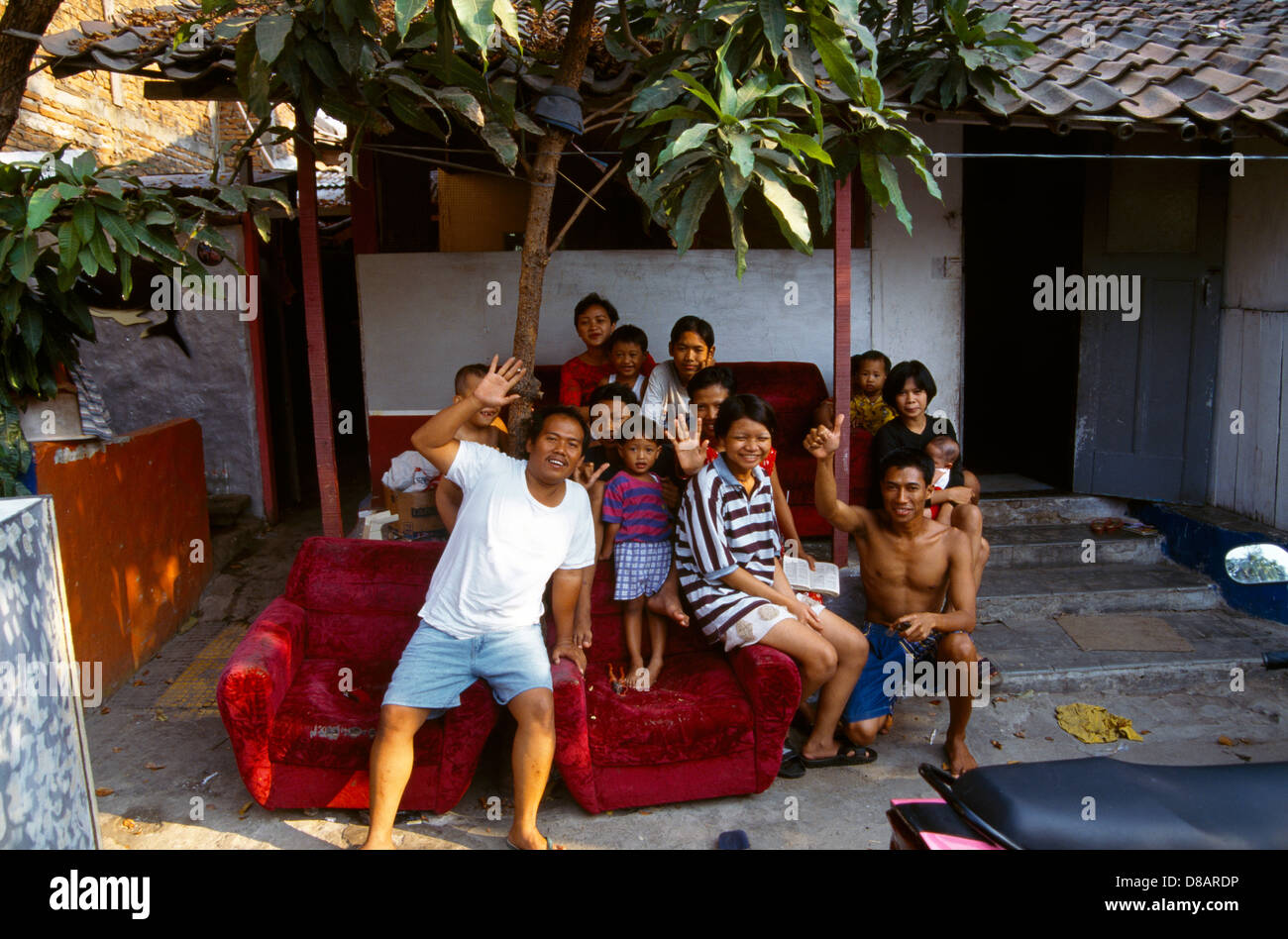
Call me anak durhaka if you want. I no longer flinch. The first institution that ever told me the truth was right: leave your family. That sentence has lived in my head for years because it matches reality. They never truly supported me. They are my immediate family, yes—but emotionally, they are strangers. The extended relatives don’t exist at all. I erased them the way they erased me.
This personal failure, however, is not isolated. It is structural.
In Indonesia, patriarchy is treated like a national heirloom—old, dusty, and fiercely protected by people who never built anything worth inheriting. Across cultures here, including Bataknese traditions, the formula is insultingly simple: men are declared important at birth, women are assigned responsibility by default, and everyone is ordered to applaud because adat. Men inherit status the way you get a free SIM card—activated instantly, no effort required. Women inherit labor, guilt, and silence, then are told to call it respect.
From my experience, ethnicity barely matters. The attitude is consistent. Many men carry themselves as if their existence alone is a divine achievement. As if God personally handcrafted them and stopped there—apparently satisfied, despite skipping minor details like competence, empathy, or accountability. The confidence is breathtaking. The substance is missing. In this country, being born male is treated as a lifetime achievement award. No skills required. No contribution expected. Just exist, breathe, and demand reverence. Women, meanwhile, must earn even basic recognition through endurance.
What’s almost impressive—tragically so—is how little supports this inflated self-image. Emotional intelligence is optional. Accountability is suspicious. Contribution to society is often nonexistent. But loud opinions? Fragile egos? An unwavering belief that respect is owed rather than earned? Abundant. Culture does all the heavy lifting, wrapping entitlement in tradition and labeling it wisdom. Mediocrity gets dressed up as heritage, and women are expected to applaud from the front row.
And then there are the accomplices. The women who love garbage. Many of them defend these men passionately, romanticize them, compete over them, excuse everything. The result is a flawless cycle. Garbage men meet garbage women, bond over shared insecurity and low standards, and proudly reproduce—ensuring the next generation is even louder, emptier, and more entitled. A self-sustaining ecosystem of incompetence, thriving comfortably under the banner of tradition. No wonder everything feels overcrowded with mediocrity.
So here’s the truth as I see it: most of these men aren’t leaders, providers, or impressive human beings. They’re less useful than trash. Trash has purpose—it gets recycled, forces cleanup, occasionally serves as a warning. These men consume space, demand admiration, and collapse the moment women refuse to worship mediocrity. And the women who prop them up are not victims. They are collaborators. Together, they maintain a perfect cycle of entitlement that somehow passes as culture.
If pointing this out makes me “too harsh” or “too modern,” that’s almost funny. The real problem isn’t the critique—it’s the industrial-scale production of useless people rewarded for merely existing. Standing here, refusing to pretend the stench of this system is heritage, all I can do is observe it for what it is: trash raising trash, applauding itself, and acting offended when anyone dares to notice.
Once you see this structure, everything else makes sense.

Last night, my mother and I went to her other house for dinner. She always insists on eating there, and every time I go, I regret it. During dinner, she casually mentioned that her vacant rental house had been rented again by a Nias tenant who had previously moved out. Earlier, she told me that tenant had left because they bought a house. When I asked, the story changed. Now they hadn’t bought a house—only land. No building yet.
This inconsistency is familiar. It’s the same pattern she used when talking about the motorcycle she bought for my younger brother—different prices, different models, depending on the day. She also mentioned plans to rent out the ruko. I stayed silent. Silence, I’ve learned, is sometimes the only way to survive these conversations.
That same younger brother—this system’s perfect product—brags about borrowing money from BRI and BNI, then tells me my degree is useless. What he forgets is that I paid my own way. Back in 2016, without my income as a junior and senior high school teacher, I would never have made it to university. I wouldn’t have been able to apply for a master’s degree abroad.
I had an invitation from a university in Taiwan. The process collapsed halfway through the visa application—not because I lacked merit, but because my mother couldn’t, or wouldn’t, support me financially or emotionally. And yet for my PhD, I will manage on my own. I finally have the means. Independence, it turns out, arrives late—but it does arrive.

His job tells the same story as everything else. Nearly IDR 200,000,000 paid to secure his position through connections. Orang dalam. This isn’t exceptional—it’s normal. Want to be a police officer? Military? BUMN employee? If you have money and connections, you win. If you don’t, you’re told you’re crazy for even trying. Merit is decorative. Accountability is nonexistent.
Private companies replicate the same structure. “Family companies,” literally and culturally. Everyone is connected. Hiring is circular. Growth is announced, but nothing improves. It’s stagnation with branding—mediocrity recycling itself while congratulating itself for surviving.
And yet somehow, I’m the outsider. The bitter one. The cold one. Maybe I am. Maybe I’ve simply seen too clearly what people worship and too little of what they actually live by.
After all of this—the lies, the hypocrisy, the polished cruelty—I’ve lost whatever faith I had left. Religion, friends, family, community… they’re all just different brands of the same illusion. I don’t believe in any of them anymore.
I want to write more. There is always more. But I woke up in the middle of the night with my chest heavy, my head fogged, as if my body was reacting to everything I keep carrying. Maybe it’s exhaustion. Maybe it’s grief. Or maybe it’s the cost of seeing clearly in a place that survives on denial.
Until I know what freedom feels like, I’ll keep surviving the only way I know how: with sarcasm as armor, honesty as rebellion, and silence as my final act of self-respect.